

B2B marketing in ASEAN is undergoing its most consequential shift in years. The playbooks that delivered results in previous years are producing diminishing returns. Buyers are more informed, more impatient, and increasingly research-first, forming strong vendor preferences before they ever speak to a salesperson.
This article examines eight trends reshaping how B2B organisations in Singapore, Malaysia, and the broader ASEAN region attract, engage, and convert buyers in 2026. Each trend comes with practical steps you can act on now.
1. Revenue Marketing Replaces Lead Generation
For years, marketing teams focused on generating large volumes of leads. But volume alone doesn’t guarantee revenue. In 2026, successful B2B organisations will shift to revenue marketing, where every campaign is measured by the actual business outcomes it drives.
61% of marketers say generating quality leads is their top challenge, and success in 2026 will be defined less by how many leads are captured and more by how many are ready to buy.
Key implications:
- Marketing and sales teams must align closely on definitions of qualified leads and pipeline.
- Content strategies will be tied directly to opportunities in the sales funnel, not just website traffic.
- ROI dashboards will track conversions, pipeline contribution, and revenue influenced, rather than vanity metrics.
As an experienced B2B digital marketing agency based in Singapore, Brew Interactive works with clients to map content and campaigns to revenue goals, ensuring support for tangible business outcomes.
2. AI-Augmented Marketing
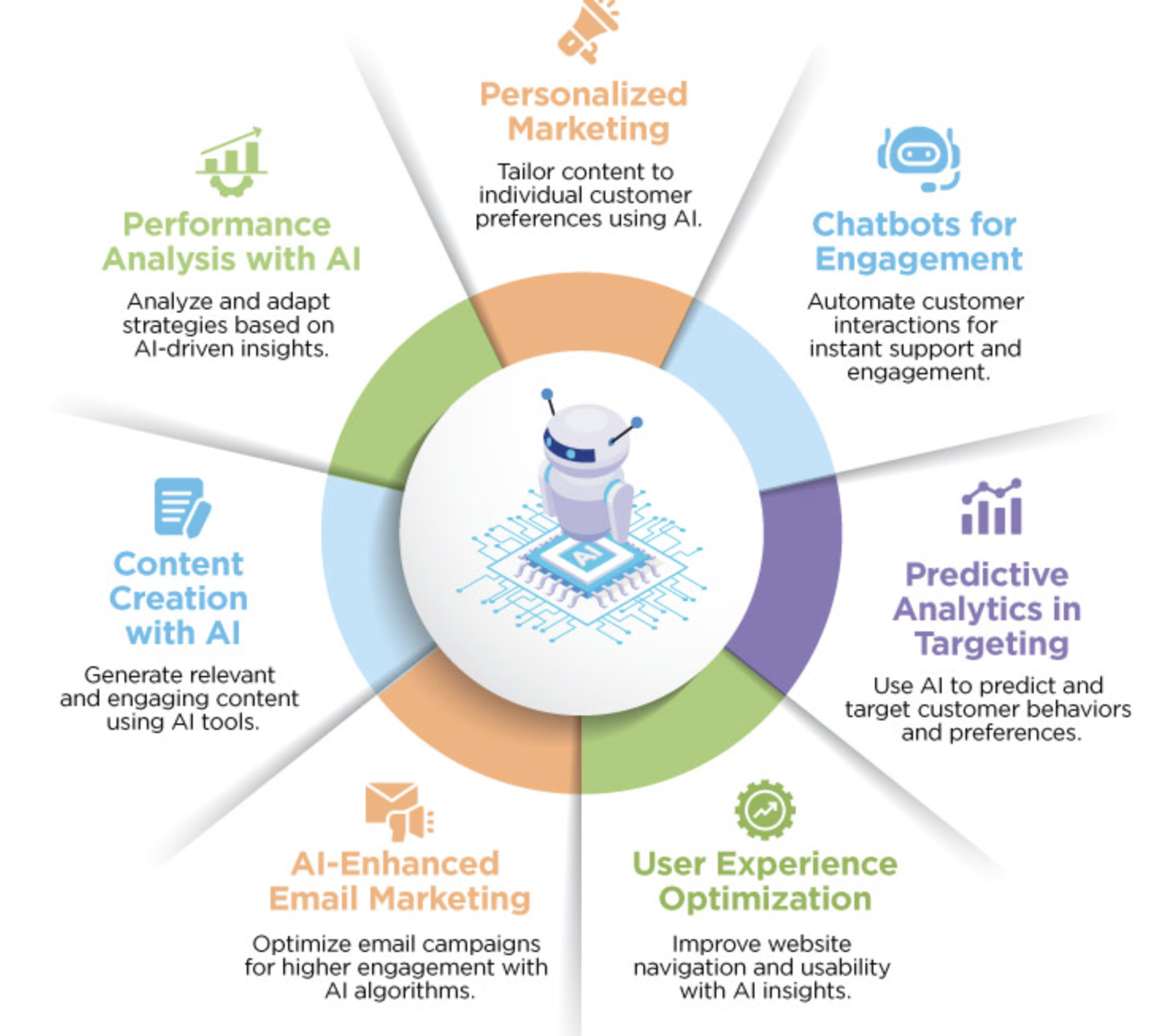
Artificial intelligence has moved from a competitive advantage to a baseline expectation. According to recent research, 95% of B2B marketing organisations now use AI-powered tools in some capacity. The question in 2026 is not whether to use AI, but how to avoid being made invisible by it.
How this plays out:
- AI can generate topic ideas, analyse competitive content, and even draft initial copy.
- Human teams add differentiation by weaving in insights, storytelling, and brand personality.
- Over-reliance on AI can lead to “sameness”, so brands that maintain originality will stand out.
For example, AI can help a B2B SaaS company analyse search queries and generate blog topic clusters. However, a human marketer is still needed to craft narratives that resonate with decision-makers.
3. Authority Over Volume in Content Marketing
Content marketing is not broken, but the version of it that prioritised frequency over substance is. With AI-generated content flooding every channel, buyers have become faster at identifying and ignoring material that lacks depth, originality, or a clear point of view.
B2B content marketing generates more than three times as many leads as traditional outbound marketing, at about 62% lower cost per lead, according to Content Marketing Institute–sourced research. These benefits are realised most consistently when the content establishes genuine subject‑matter authority and trust.
Recommended steps:
- Develop pillar pages and topic clusters to show expertise in key industry areas.
- Leverage subject-matter experts to produce whitepapers, case studies, and research-backed content.
- Focus on quality over quantity: one in-depth article can outperform ten shallow blog posts.
Brands that establish authority build trust with prospects and accelerate buyer decisions — a critical factor in B2B sales cycles.
4. Answer Engine Optimisation (AEO) Becomes Critical
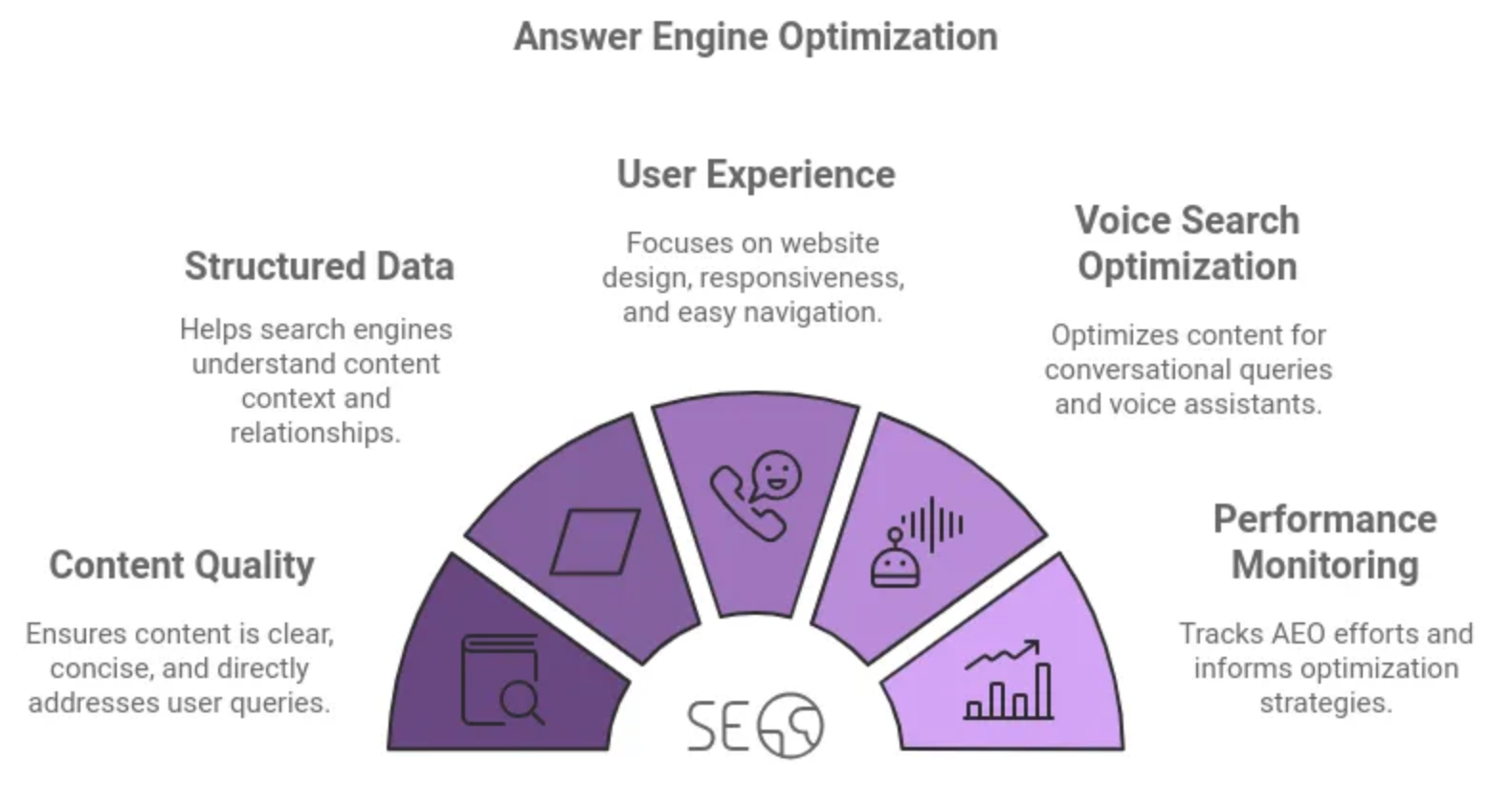
Search behaviour is changing faster than most marketing teams have adapted to. AI-powered assistants, such as ChatGPT, Perplexity, Google’s AI Overviews, Bing and Copilot, are now the first stop for millions of B2B buyer queries. They retrieve answers directly, often without sending users to a website at all.
AEO tactics that work in 2026:
- Structure content to directly and concisely answer the specific questions your buyers ask.
- Include FAQs, numbered steps, and definitions, which are formats AI tools prefer when constructing responses.
- Implement schema markup so search and AI systems can parse and surface your content accurately.
- Target long-tail, highly specific queries. For example, ‘best cybersecurity compliance solutions for financial services in Singapore’ is where a company’s authority is most distinctive.
B2B buyers increasingly use AI tools the way they once used Google: to shortlist vendors before ever visiting a website. If your content is not structured to appear in those answers, you are absent from the consideration set before the conversation even begins.
5. Sales and Marketing Fully Converge
The traditional handoff model, where marketing generates leads and sales closes them, is producing diminishing results. The data is clear: companies with tightly aligned sales and marketing grow significantly faster, and the cost of misalignment is staggering.
Research estimates that sales and marketing misalignment costs global businesses an estimated $1 trillion annually, while companies with aligned teams are 67% better at closing deals.
Marketing creates content without knowing what objections sales is hearing. Sales ignores marketing assets because they feel generic or off-message. Prospects fall through the gap between the two.
Steps you can take to close this gap:
- Create shared content libraries that sales can access, customise, and deploy in active deals.
- Build sales enablement assets tied to specific pipeline stages: case studies for evaluation, ROI calculators for justification, and technical guides for procurement.
- Establish a feedback loop where sales shares objections, questions, and deal-stage insights that directly inform the marketing content calendar.
When marketing and sales operate from a shared understanding of the buyer, content becomes a sales accelerator, not just a lead generator.
6. Personalisation at Scale
B2B buyers in ASEAN expect relevance. A generic message about your product’s features, sent to a Head of IT in a Singapore financial services firm and a Marketing Director at a Malaysian e-commerce company, will resonate with neither. The expectation of contextual, role-appropriate, industry-aware communication has become a baseline.
The challenge in 2026 is executing personalisation at scale without crossing into intrusive territory. Privacy regulations in Singapore (PDPA), Malaysia, and the EU (GDPR) are tightening, and buyers are increasingly sensitive to messaging that feels like surveillance rather than service.
Personalisation that earns trust:
- Deploy account-based marketing (ABM) for high-value target accounts, treating each as a market of one.
- Segment campaigns by persona, industry vertical, and buying stage rather than blasting the full database.
- Use marketing automation to deliver the right content at the right moment based on demonstrated behaviour, not generic demographics.
The brands winning on personalisation in ASEAN are not the ones with the most data, they are the ones using their data most respectfully.
7. First-Party Data as a Competitive Advantage
For several years, the B2B marketing industry anticipated the end of third-party cookies. In October 2025, Google officially shut down its Privacy Sandbox initiative after six years of development, choosing to retain third-party cookies in Chrome rather than replace them with a flawed alternative. But this is not a reprieve for marketers who have delayed their first-party data strategy.
Building a first-party data foundation:
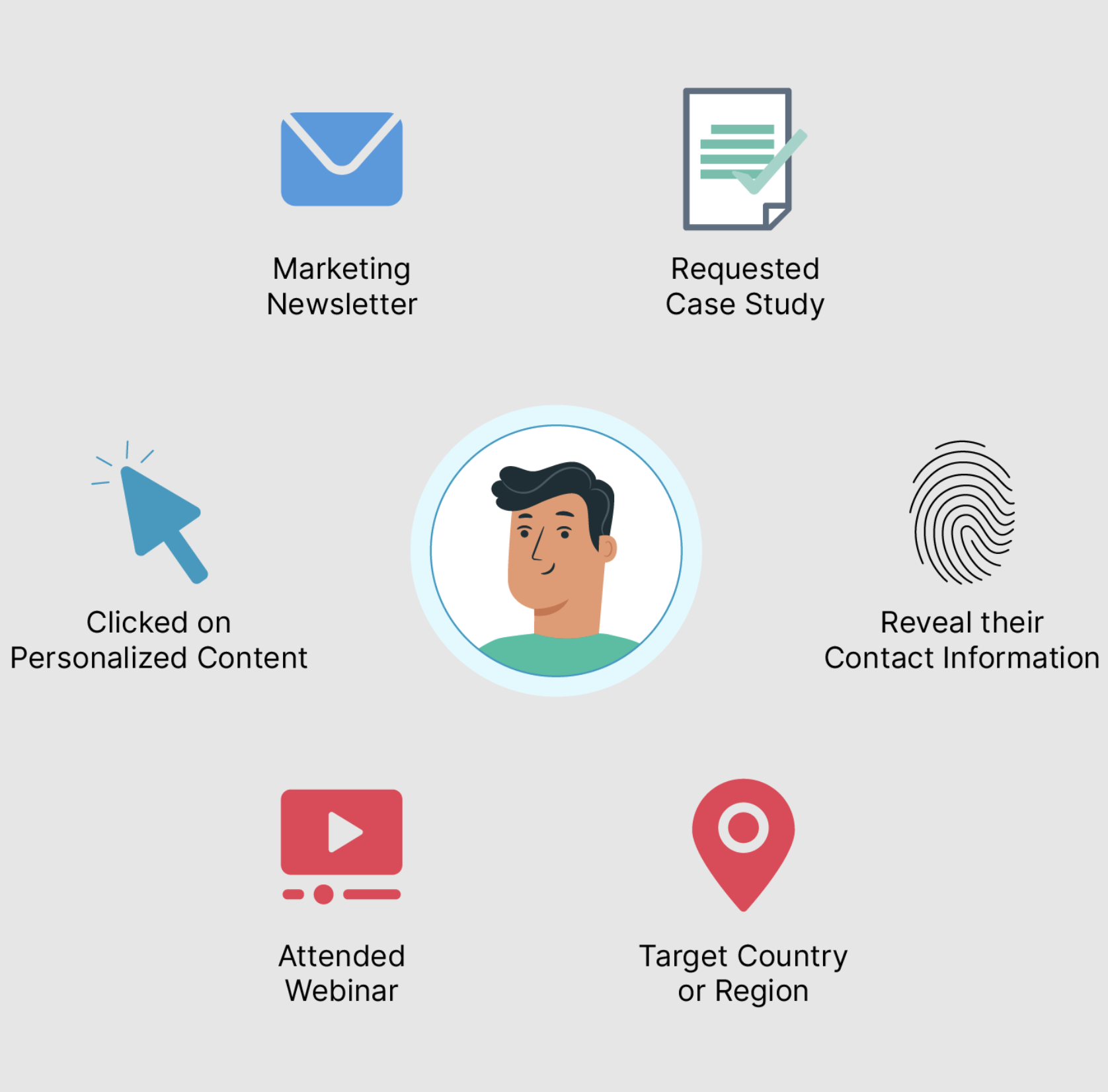
- Create owned channels, such as newsletters, webinars, communities, and gated content, that capture consented audience data directly.
- Integrate website behaviour, CRM activity, and campaign engagement into a unified view of each account and contact.
- Use first-party insights to reduce dependence on expensive paid media by nurturing high-value prospects through owned channels.
8. Content as a Full-Funnel System
Content marketing has historically been treated as a top-of-funnel activity: attract attention, build awareness, generate inbound leads. That model leaves most of the buyer journey unsupported.
In 2026, the organisations generating the highest returns from content are those that treat it as a system: mapping every asset to a specific stage of the buyer’s decision process.
A full-funnel content framework:
| Funnel Stage | Content Types | Goal |
| Top-of-Funnel (Awareness) | Blogs, infographics, educational videos, social media content | Build awareness, establish relevance, attract a new audience |
| Middle-of-Funnel (Consideration) | Case studies, webinars, product comparison guides, expert roundtables | Support evaluation, build preference, nurture leads |
| Bottom-of-Funnel (Decision) | ROI calculators, demo invitations, implementation guides, security documentation | Reduce friction, accelerate decision-making, drive conversions |
The most effective B2B content teams in ASEAN are also developing post-sale content: onboarding materials, customer success stories, and renewal-focused communications that reduce churn and support upsell. Revenue generated from existing customers is the most efficient revenue in the business, and content is the most scalable way to protect and grow it.
Embrace the Future of B2B Marketing and Sales in 2026
B2B marketing and sales in 2026 demand alignment, authority, and agility. From AI-augmented content creation to full-funnel strategies and first-party data activation, companies that stay ahead of these trends will see stronger engagement, shorter sales cycles, and measurable business impact.
At Brew Interactive, we help B2B businesses across Singapore, Malaysia, and APAC build marketing programmes that are designed for revenue, not just reach. From content strategy and AEO to ABM, sales enablement, and first-party data activation, our team brings the expertise to translate these trends into measurable business impact.
If you’re ready to future-proof your B2B marketing, talk to Brew Interactive today and see how we can help your business thrive in 2026.

