
B2B content marketing has evolved significantly in recent years. It’s no longer about publishing blog posts consistently and hoping for traffic. In 2026, successful companies treat content as a structured, revenue-generating system — not a branding side project.
Today’s B2B buyers are independent. They research extensively before ever speaking to sales. They consult multiple stakeholders internally. And they expect credible, authoritative information at every stage of the journey.
Simply producing more content is no longer enough. The brands that stand out are those that prioritise clarity, authority, and commercial alignment.
Here’s what that looks like in practice.
1. Start With Business Outcomes, Not Content Output
A common mistake is measuring activity instead of impact. Publishing four articles per month is not a strategy. Increasing traffic alone is not a business goal.
Instead, anchor your content marketing campaign to measurable commercial objectives. For example:
- Generating a defined number of marketing-qualified leads (MQLs)
- Increasing demo bookings from organic traffic
- Shortening the sales cycle
- Improving conversion rates on key landing pages
- Expanding into a new industry vertical
Once goals are clearly defined, align content themes and formats around achieving them.
When measuring performance, look beyond vanity metrics and focus on indicators such as:
- Pipeline contribution
- Lead quality
- Cost per lead
- Content-assisted conversions
- Revenue influenced by content
When content is tied directly to business outcomes, it becomes a strategic growth lever, not just a marketing expense.
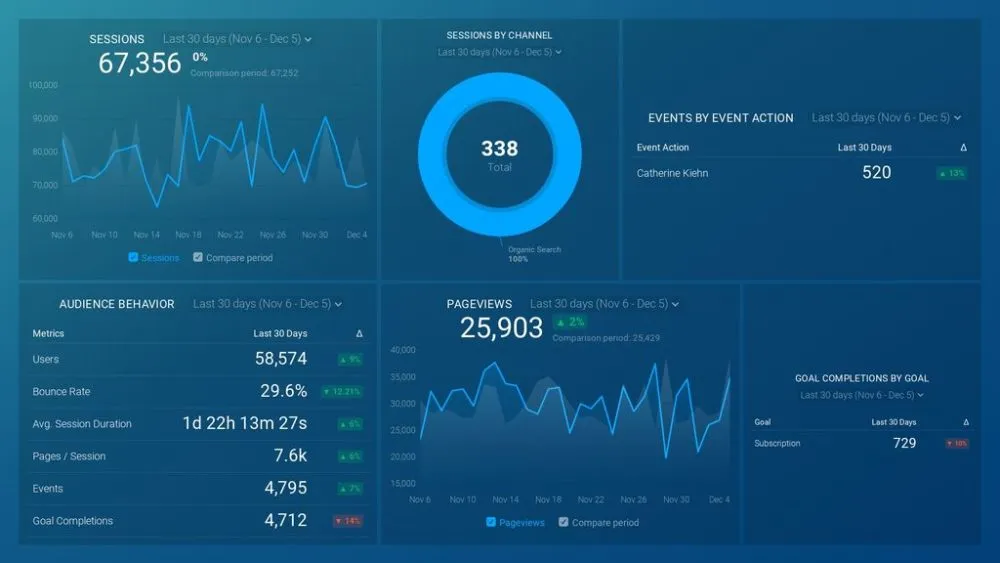
Fortunately, there are a variety of tools and resources available to help you track your progress and measure success. Popular options include Google Analytics, social media analytics tools, email marketing platforms, and marketing automation software. By monitoring your performance and making data-driven decisions, you can continually refine your B2B content marketing strategy and drive better results for your business.
2. Creating Buyer Personas for Content Marketing
Creating a buyer persona is a crucial step in any successful B2B content marketing campaign. A buyer persona is a detailed profile of your ideal customer, based on factors such as demographics, job title, pain points, goals, and behaviour.
By understanding your target audience on a deeper level, you can create content that resonates with their needs and interests, and more effectively nurture them through the buying process.
In B2B marketing, decisions rarely rest with a single person. Purchasing committees often include:
- Senior decision-makers focused on ROI and risk
- Technical evaluators assessing feasibility
- Operational users concerned with usability
- Procurement or finance teams reviewing cost structures
A strong buyer persona framework goes deeper than job title and industry. It uncovers:
- Key performance metrics they are responsible for
- Common objections or internal resistance
- Buying triggers
- Evaluation criteria
- Risk concerns
To create a buyer persona, start by conducting research and gathering data about your existing customers and prospects.
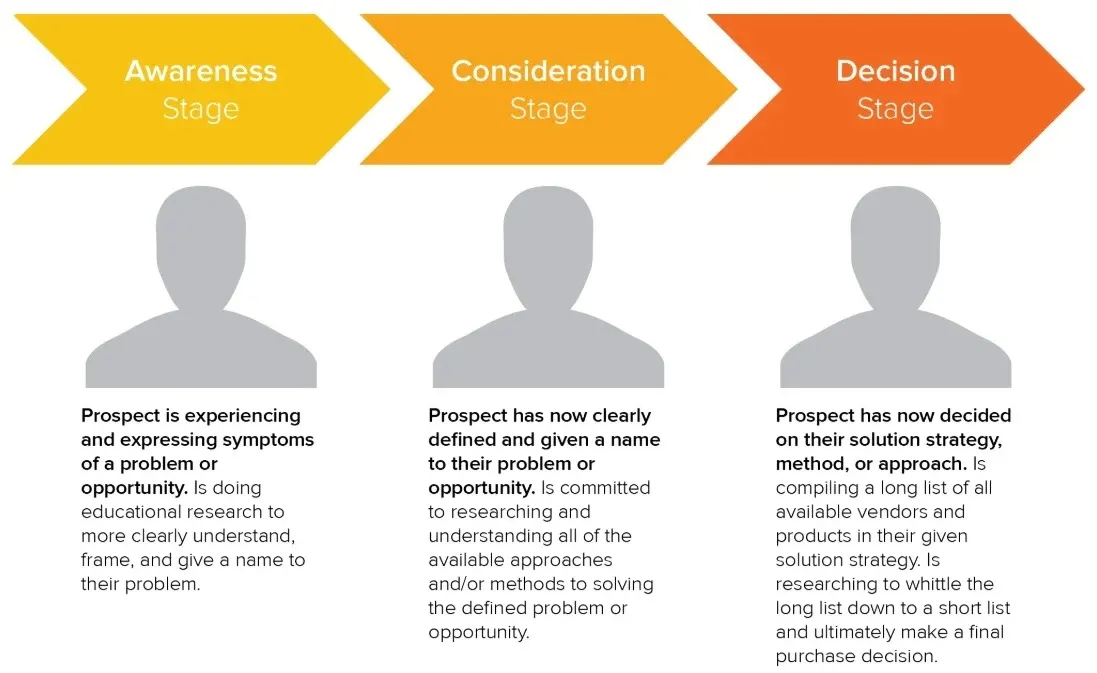
You might use surveys, interviews, or website analytics to collect information about their backgrounds, challenges, and buying habits.
Once you have this data, you can use it to create a detailed buyer persona that represents your ideal customer. By referring to your buyer persona throughout your content marketing campaigns, you can ensure that your messaging is targeted and relevant, and better engage your target audience.
3. Map Content Across the Entire Buying Journey
Many B2B companies over-invest in awareness-stage content while neglecting middle and bottom-of-funnel assets.
A successful content campaign supports every stage of decision-making.
| Stage | Content Focus |
|
|
|
|
|
|
Content should do more than attract attention; it should guide prospects forward with increasing clarity and confidence.
4. Prioritise Authority Over Volume
With AI tools making content production easier, the internet is saturated with generic information. Volume alone no longer creates competitive advantage.
Instead, focus on building authority within defined topic clusters. This means:
- Creating comprehensive pillar pages
- Developing in-depth resources rather than short posts
- Including subject matter expertise
- Sharing original insights or proprietary data
- Strengthening internal linking structures
Search engines increasingly reward topical depth and expertise. Buyers also respond more strongly to brands that demonstrate real knowledge.
Three exceptional pieces of content can outperform ten average ones, especially in complex B2B markets.
5. Optimise for Modern Search Behaviour (SEO + AEO)
Search behaviour has changed. Buyers now ask detailed, conversational queries and expect clear, direct answers.
Your content should:
- Address specific buyer questions directly
- Use structured headings for clarity
- Include concise explanations alongside deeper insights
- Support featured snippets where relevant
- Be written with clarity rather than keyword stuffing
Optimisation today means balancing traditional SEO with what’s often referred to as Answer Engine Optimisation (AEO). The goal is not just ranking, it’s being the most useful and authoritative answer available.
6. Treat Distribution as a Strategic Function
Even exceptional content needs amplification.
When choosing distribution channels, consider your target audience and their preferred channels for consuming content.
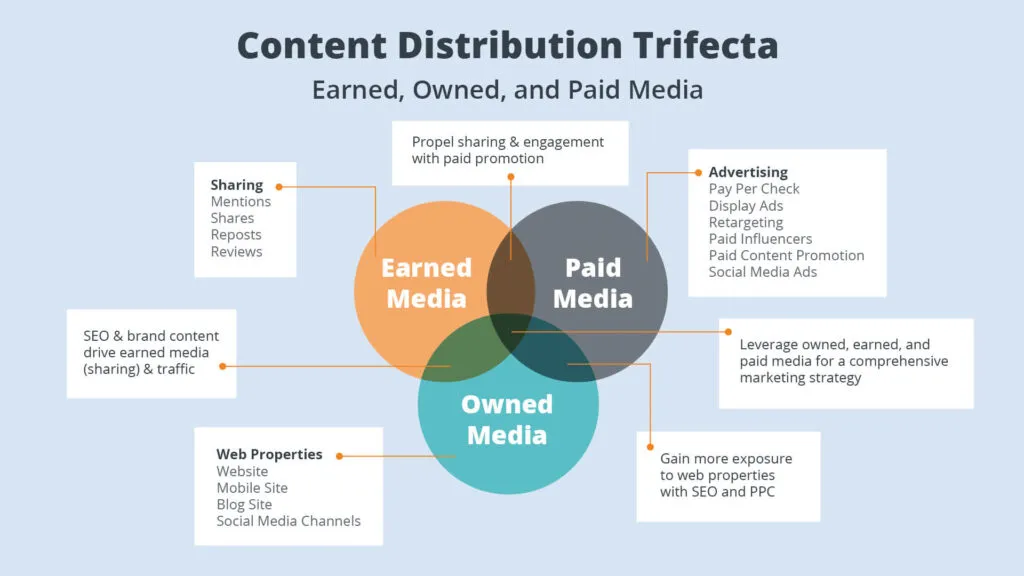
For example, if your audience spends a lot of time on LinkedIn, you might focus on sharing your content on that platform. When promoting your content, focus on creating attention-grabbing headlines, using visuals to draw readers in, and sharing it across multiple channels to maximise reach.
Remember, the goal of distribution and promotion is to get your content in front of the right people at the right time.
By leveraging a variety of channels and tactics, you can increase your content’s visibility, drive more traffic to your website, and generate more leads for your business.
Build Content That Drives Real Growth
B2B content marketing is no longer about publishing consistently and hoping for traction. It’s about building a structured system that attracts the right audience, nurtures trust over time, and converts interest into measurable business growth.
The companies that see real results treat content as a long-term strategic asset. They align it with revenue goals, create authority-driven resources, support every stage of the buying journey, and continuously refine based on performance data.
That’s where many B2B teams struggle, not because they lack ideas, but because they lack the time, structure, or in-house expertise to turn content into a true growth engine.
At Brew Interactive, we help B2B brands move beyond generic blog strategies. From persona development and SEO-driven content planning to full-funnel execution and sales enablement alignment, we build content ecosystems designed to generate qualified leads and accelerate pipeline growth.
If you’re ready to turn content from a marketing activity into a revenue-driving system, let’s start the conversation.