Emerging Trends Shaping B2B Marketing in Singapore (2026)
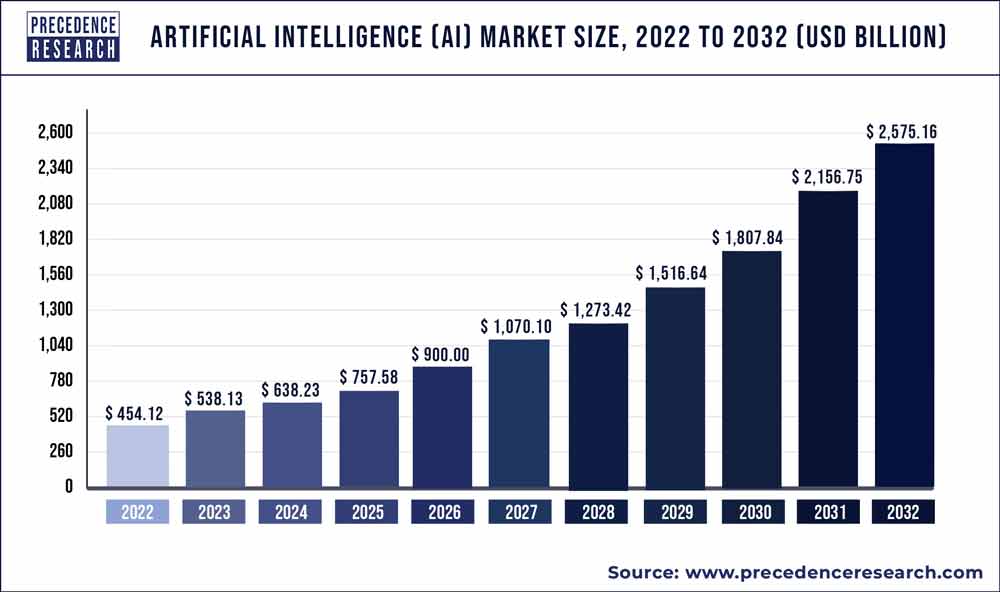
AI, Automation, and Smarter Personalisation at Scale
AI and automation are now embedded into modern B2B marketing workflows, supporting:
- Predictive analytics and intent modelling
- Lead scoring and qualification
- Content optimisation and performance forecasting
Rather than replacing marketers, these tools enable teams to make faster, more informed decisions and focus on higher-value strategic work.
Personalisation has also evolved to include:
- Messaging tailored by role, industry, and buying stage
- Dynamic website and email content based on behaviour and intent
- AI-driven recommendations across paid, owned, and earned channels
For Singapore-based B2B companies operating in competitive or regulated industries, this level of precision is increasingly critical to stand out and remain credible.
Answer Engine Optimisation (AEO) and AI-Led Discovery
B2B buyers increasingly use AI assistants and conversational search tools to research vendors, compare solutions, and shortlist potential partners. This means that traditional SEO alone is no longer sufficient.
AEO focuses on making your brand discoverable within AI-generated answers and platforms by:
- Creating structured, expert-led content
- Clearly articulating use cases, benefits, and differentiation
- Implementing schema and structured data for AI understanding
Brands that invest in authoritative content are more likely to appear in these zero-click discovery moments that influence early buying decisions.
Trust, Compliance, and Data Responsibility
Data privacy, AI governance, and transparency are becoming key trust signals in B2B marketing.
Compliance with regulations such as PDPA influences brand perception, buyer confidence, and long-term relationships with clients.
Modern B2B marketers must balance innovation with responsibility by:
- Using data ethically and transparently
- Clearly communicating how customer data is collected and used
- Ensuring AI-driven campaigns remain explainable and compliant
Building a Strong B2B Marketing Strategy in Singapore and Beyond
In Singapore’s competitive B2B environment, a strong marketing strategy is no longer about isolated tactics. It requires a connected, data-driven approach that aligns business goals, buyer needs, and long-term growth.
1. Develop a Deep Understanding of Your Market
Every successful B2B strategy starts with clarity around the market you’re operating in.
This includes:
- Identifying industry trends and emerging opportunities
- Understanding customer pain points and buying motivations
- Analysing competitors, positioning, and gaps in the market
Singapore’s role as a regional business hub means many B2B companies serve diverse, cross-border audiences. Market research should account for both local decision-makers and regional stakeholders to ensure messaging remains relevant and credible.
2. Build Clear Buyer Personas and Segment Your Audience
B2B buying decisions are rarely made by a single individual. Committees often include decision-makers and technical evaluators, each with different priorities.
A strong B2B marketing strategy includes:
- Clearly defined buyer personas based on role, industry, and objectives
- Audience segmentation that reflects intent, buying stage, and engagement level
- Messaging tailored to different stakeholders within the same organisation
This allows marketers to deliver the right message to the right audience at the right time, improving engagement and conversion efficiency.
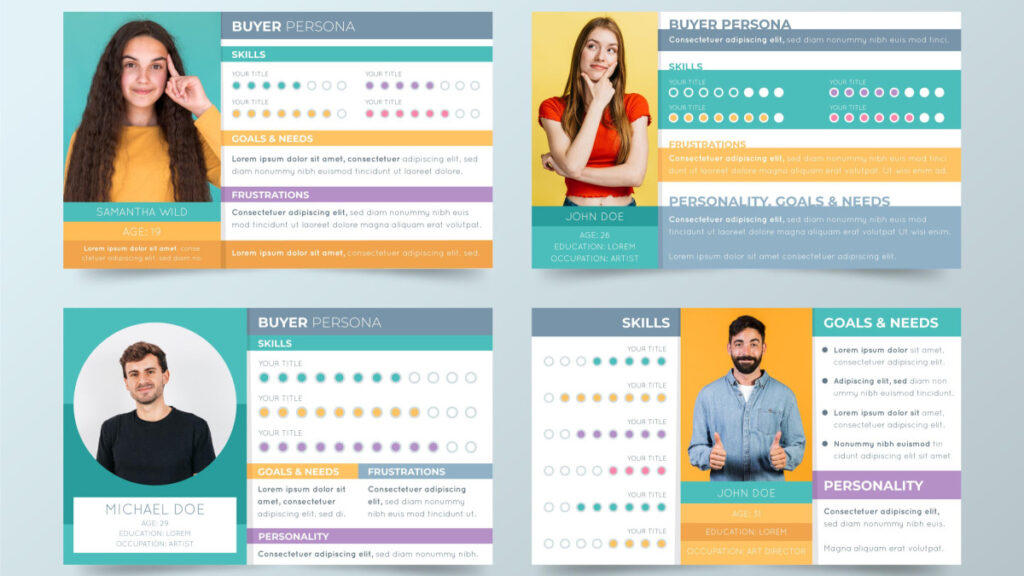
B2B buyer personas (Damos.co)
3. Use Content Marketing to Build Trust and Authority
Content remains a cornerstone of B2B marketing, but its role has evolved. Effective B2B content should:
- Educate buyers and address real-world challenges
- Demonstrate strong expertise and industry understanding
- Support long sales cycles by nurturing trust over time
Formats may include:
- Blog articles and thought leadership pieces
- Whitepapers, case studies, and reports
- Webinars, videos, and executive briefings
In Singapore’s highly competitive B2B space, content that is practical, insightful, and credible helps differentiate brands and supports both SEO and AI-driven discovery.
4. Improve Discoverability Through SEO and AI Search Readiness
Search visibility remains critical, but modern B2B SEO goes beyond rankings alone.
Here, a strong marketing strategy should focus on:
- Optimising content for high-intent, solution-driven searches
- Structuring content clearly for answer-based and AI-powered search
- Ensuring technical SEO foundations support performance and scalability
For B2B buyers who conduct extensive research before engaging vendors, search visibility plays a key role in early consideration and vendor shortlisting.
5. Leverage Social Media for B2B Engagement and Influence
Social media is no longer just a distribution channel; it’s a trust-building platform.
For most B2B companies in Singapore, LinkedIn remains the primary channel for thought leadership and lead generation. Social platforms, on the other hand, support brand visibility, recruitment, and employer branding, while consistent engagement helps position leaders and teams as industry voices
6. Nurture Leads and Build Long-Term Relationships
B2B marketing doesn’t stop at lead generation. A sustainable strategy includes lead nurturing programmes that:
- Guide prospects through long and complex buying journeys
- Deliver relevant content at each stage of decision-making
- Strengthen relationships through personalised follow-ups and education
Tactics may include email workflows, webinars, account-based campaigns, and targeted content experiences.
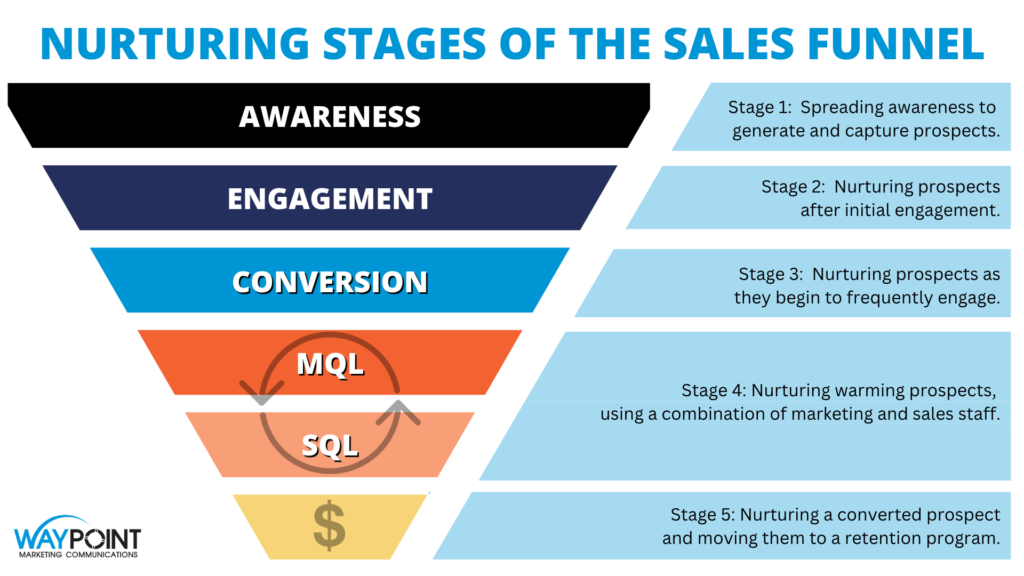
Lead Nurturing Funnel (Waypoint)
7. Measure Performance and Iterate Continuously
Analytics and iteration are critical to long-term success.
Effective B2B strategies rely on:
- Clear KPIs tied to pipeline contribution and revenue impact
- Regular performance reviews across channels and campaigns
- Continuous optimisation based on data, not assumptions
Iteration ensures marketing remains aligned with business objectives as markets, buyers, and platforms evolve.
Leveraging Data and Analytics for Smarter B2B Marketing
In Singapore’s data-driven business environment, analytics is foundational to a successful B2B marketing plan.
Data enables B2B marketers to:
- Understand buyer behaviour and engagement patterns
- Allocate budgets more effectively
- Identify high-performing content, channels, and audiences
The following tools provide visibility across the entire buyer journey, from first interaction to closed deal.
| Category | Purpose | Example Tools |
| Website & Content Analytics | Track visitor behaviour, page performance, and engagement metrics | Google Analytics 4, Adobe Analytics, Matomo |
| CRM & Lead Management | Manage leads, accounts, and sales pipelines | HubSpot CRM, Salesforce, Zoho CRM |
| Marketing Automation | Automate email campaigns, workflows, lead scoring, and nurturing | Marketo, HubSpot Marketing Hub, Pardot |
| SEO & Content Optimisation | Identify high-value keywords, track rankings, optimise content for search engines and AI discovery | SEMrush, Ahrefs, Surfer SEO, Clearscope |
| Social Media Management | Schedule posts, monitor engagement, and manage multi-channel campaigns | Hootsuite, Sprout Social, Buffer |
| AI & Personalisation Tools | Deliver hyper-personalised experiences, predictive analytics, and AI-driven content recommendations | ChatGPT, Drift, Dynamic Yield, Salesforce Einstein |
| Campaign Reporting & BI | Analyse performance across channels, visualise KPIs, and support data-driven decisions | Tableau, Power BI, Google Data Studio |
These platforms can help B2B marketers understand which initiatives drive real business impact, identify underperforming campaigns early, and make informed adjustments to improve efficiency. Over time, this data-driven refinement strengthens both strategy and execution.
B2B Marketing in Singapore Case Study: Total Energies ENEOS
Brew Interactive recently had the opportunity to work with Total Energies ENEOS, the renewable energy division of TotalEnergies in the Asia-Pacific region, offering solar panel solutions to commercial and industrial businesses.
The company struggled with several limitations, including the widespread perception that it was only an oil and gas enterprise. Total Energies ENEOS also struggled with long, unstructured B2B sales cycles and limited digital tools for proper audience segmentation.
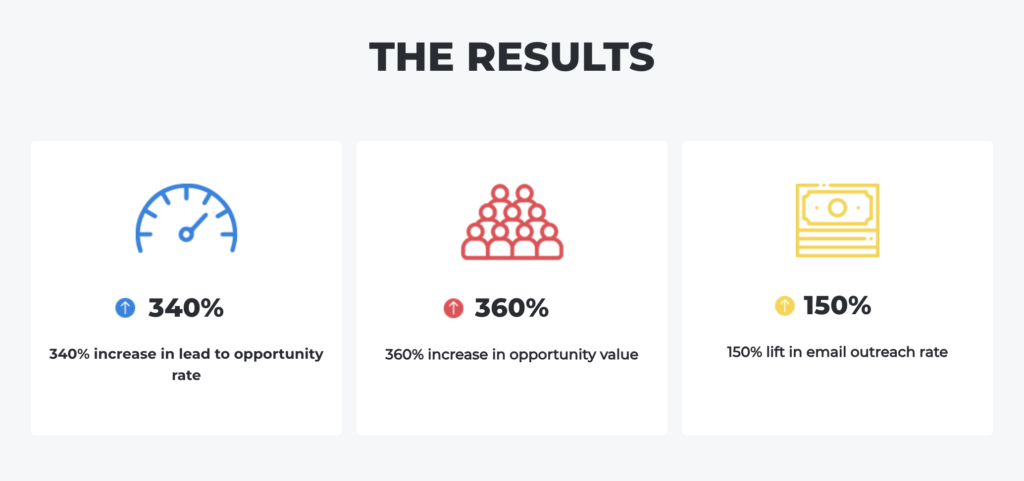
By the end of Brew’s B2B marketing campaign, Total Energies attracted over 35,000 unique visitors over a span of 6 months, achieved 40% open rates across all e-mail campaigns, and successfully established business tools like HubSpot for long-term engagement.
Here’s how we accomplished it:
- Designed and launched 18 custom landing pages, each tailored to a specific sector or stakeholder.
- Activated a marketing automation tool that allowed us to reach out to hundreds of prospects in a structured, personalised, and scalable way.
- Customised our marketing automation tool to engage with prospective leads in a more organic way, including liking posts and building initial familiarity.
- Crafted personalised outreach sequences driven by AI-enriched data to increase engagement across all channels.
- Positioned human SDRs to manage live conversations and build relationships that turned prospects into qualified leads.
Read the full case study here.